
Startseite » Sober living

Kategorie: Sober living

How Long Does Cocaine Stay In Urine? Shoreline Recovery

Seeking a substance abuse evaluation from an addiction professional helps determine the proper type of support. An individual’s history of cocaine use is often the biggest contributing factor to how long cocaine can stay and be detected in their system. The simple reason for this is that the more cocaine you’ve done, the more will store in your body.The more detailed explanation has to do with what is called ‘half-lives’.

  • The frequency of consumption has a role in determining how long coke stays in your system.
  • Benzoylecgonine, cocaine’s primary metabolite, has a half-life of 12 hours.
  • Unfortunately, this causes them to become addicted to cocaine rather quickly.
  • Smoking and injecting bypass the usual barriers (mucus, skin, etc.) that the drug has to pass through when snorted or gummed.

Regular or repeated cocaine use raises the risk of drug dependence. Heavy and prolonged use of cocaine exposes you to many risks and dangers, many of which can leave a lasting negative impact in your and your loved ones’ lives. If you or someone you know is a heavy cocaine user, the drug can stay in your urine for much longer. It is possible to test positive in a cocaine urine test even up to two weeks after use. Cocaine’s half-life (the period it takes for the body to eliminate ½ of a dose) is about one hour if alcohol has not been consumed.

Factors Impacting How Long Does Cocaine Last in Your System?

The prevalence of cocaine use in the United States varies by age group. Among individuals aged 15 to 64, the overall rate of past-year cocaine use is 1.7%. In those aged 15 to 34, the past year’s cocaine use rate is 3.2%, and for individuals aged 35 to 64, it is 0.7%.

how long does cocaine stay in your system for a drug test

For example, after you use cocaine and do a urine, blood, saliva, or hair test, drug tests will be able to measure how long you have used cocaine and the amounts of cocaine you took. Similar to blood tests, a saliva drug test can detect cocaine or its metabolites for only one to two days after it was used. A medical professional or tester typically collects the saliva sample using a special swab or device. This is then deposited quickly and directly into a tube to protect the sample.

Get Help with Cocaine Addiction at Great Oaks Recovery Center

The 2019 National Survey on Drug Use and Health report shows an estimated 5.5 million people over 12 years old identified as past users of cocaine. The CDC reported 33% more overdose deaths involving cocaine between 2016 to 2017. These statistics have been trending upward and show no signs of slowing down. Cocaine injections or inhalations can cause a surge and a high.
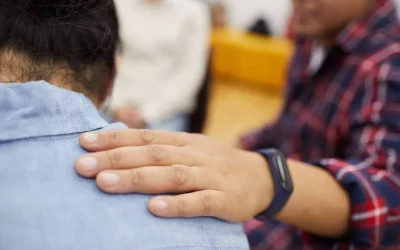
how long does cocaine stay in your system for a drug test

Another factor essential to cocaine drug testing is the use of alcohol before, during, and after using the drug. Contrary to most other drugs, cocaine and alcohol combine to create a brand-new molecule known as cocaethylene. Since it has a longer half-life, this substance will https://ecosoberhouse.com/ be detectable in the body for a longer period than benzoylecgonine. Urine cocaine drug tests, by far, are the most common method of testing for cocaine abuse. Of course, anyone struggling with cocaine addiction should seek professional substance use treatment immediately.

Behavioral Modification

Cocaine is a vice that can ruin lives, both physically and mentally. The drug’s highly addictive nature and its severe health risks make understanding how long Cocaine remains in one’s system an essential factor for anyone using the substance. Even if you have failed previously, relapsed, or are in a difficult crisis, we stand ready to support you. Our trusted behavioral health specialists will not give up on you. Call us when you feel ready or want someone to speak to about therapy alternatives to change your life. Even if we cannot assist you, we will lead you wherever you can get support.

Continue reading for more on how long does cocaine stay in your blood. Cocaine can be tracked more accurately through urine and blood tests, revealing a user’s habits up to four days afterward. With test results insights into usage and frequency, it is possible to guesstimate the length of time someone has been using cocaine. Detection time varies widely, from just two days in blood tests to the distant reach of up to a year with hair testing. Regardless of the type, it’s always important to know that traces may remain well after use.

Methamphetamine, often referred to as ice or crystal meth, is a stimulant with a rapid onset. The initial rush lasts for about 30 minutes, and the high that follows can last for several hours. But tests can detect chemicals that your body produces as it how long does cocaine stay in your system breaks down the remaining meth. This means that within half an hour of taking it, your body will have eliminated 50% of the substance from the bloodstream. Although heroin leaves the system quickly, it creates metabolites that can stick around longer.

  • All types of cocaine ingestion are harmful to the body and can be traced in your system long after your last use.
  • Metabolites are breakdown products of the body’s natural cocaine chemical reactions when consumed.
  • In severe cases, you can develop depression, psychosis, and suicidal ideations.
  • This article will goes over how long cocaine remains in the body.

Sober House vs Halfway House Halfway House in Pittsburgh, PA

While the two may seem similar, there are differences between a sober house vs. a halfway house. First, because halfway houses are tied to the criminal justice system, they are often government-run. On the other hand, sober living homes tend to be affiliated with an addiction treatment facility. Level one sober living homes tend to be single-family homes, whereas level two homes may be single-family homes or apartment buildings. Level three homes can include several different residential settings, whereas level four homes may be more institutional in nature.

  • A halfway house is a community home typically designed for men or women who are mandated to spend time in a transitional facility.
  • There are situations when people in recovery will move into a halfway house, usually as part of a court order or plea agreement.
  • Sober living is just like it sounds, a place to stay where you’ll have a supportive community and can start your new life free from alcohol or other drugs.
  • Because of the great depression, strict rules on parolees, and the mandatory requirement of prisoners having a job upon release, halfway houses began to decline.

Contact us to schedule a free addiction assessment with a licensed clinician at Design for Change Rehab. These software solutions make the whole process of case management, right from induction till exit a breeze for both the client and the case managers. In our previous piece, we had a look at how Transitional and Supportive Housing help in ending chronic homelessness for those in need. We looked at how Living in insecure housing can have a significantly negative impact on one’s health.

What is the Difference Between Sober Living House and Halfway Houses?

New concepts that combine scattered-site housing are now being embraced as the concept of transitional housing has evolved. Some of the transitional ‘supports’ are considered transferable in such instances. https://ecosoberhouse.com/ Ultimately, your decision should be based on your individual needs and personal preferences. Talk to your support system and your healthcare provider or counselor to decide which option is best for you.

What is sober in English slang?

The most common meaning of sober is "not drunk" — people who drive need to be sober. Sober sounds a lot like somber, and it often means sad and quiet too, or sometimes too serious. Another meaning is to be logical or realistic about something.

There are situations when people in recovery will move into a halfway house, usually as part of a court order or plea agreement. While sober living homes and halfway houses are similar in the purpose they serve, they do have several differences. For starters, halfway homes are often designated for people who are coming out of incarceration and who underwent a drug treatment program during their incarceration. Additionally, halfway houses customarily require residents to be enrolled in a treatment program or to have recently completed such a program. There may also be a limit on the amount of time a resident can stay at a halfway house.

How a Sober Living Facility Is Different from a Halfway House

This environment can be critical to allow people to move forward in life while surrounded by a community who is focused on support as each member transitions from one way of living into another. Halfway houses usually require enrollment in or completion from a treatment program and also tend to limit a resident’s stay. As well, residents of sober living homes may stay as long as they need to, as long as they adhere to the house rules, such as attendance at a certain number of weekly meetings. In these programs, individuals can develop positive coping skills with the tools necessary to maintain sobriety. We also include supervised, short-term housing to provide support for newly sober individuals.

difference between sober house and halfway house

People that are new to substance addiction recovery live in sober living homes to help them transition back into regular society post-rehab. Since sober living typically follows addiction treatment, getting a referral from the treatment provider is recommended. Other referral sources may include the criminal justice system, a mental health professional, Twelve Step meeting participants, or friends and family. Whatever the source of the referral, take a tour of the facility and talk to the people living there to decide if it’s the right fit for you.

How Case Management Helps in Transitional and Halfway Housing

Typically, there are rules about shared living spaces and individual room maintenance and chores, visitor hours, meal times, curfews and Twelve Step meeting requirements. Also like other sober-living environments, halfway houses generally have systems in place to keep residents sober, and drugs tests are usually administered to monitor for any substance use. They also often come with additional mental health, medical, recovery or educational services that help people get accustomed to their new lives.

  • They provide support for those who are struggling with a substance abuse problem and cannot control their urges on their own.
  • For example, in a sober living house, the resident is responsible for paying their rent and food.
  • Many people are shocked to learn that halfway homes were opened up in the 18th century.
  • While you can work and/or go to school while living in a sober living home, you must continue to work on your recovery by attending 12-step meetings (or other recovery meetings).
  • Back then, sober living homes acted as “dry” hotels that didn’t allow their residents to consume alcohol.
  • The time spent in a sober-living home depends on a number of factors including strength of recovery from addiction, progress on clinical milestones and the personal living situation at home.

The need for housing for those in recovery was then addressed on a community level. Residents of the halfway house must complete or be enrolled in rehabilitation. Many of these homes will also reject individuals with a criminal background.

In contrast, three-quarter houses are typically less structured than halfway houses. While both halfway houses and three-quarter houses provide transitional housing for individuals in recovery, there are some key differences between the two. Inpatient treatment centers are also residential and allow recovering addicts to live at the facility for days. During inpatient care, patients will participate in different types of therapy and support groups. Inpatient rehab does not allow patients to leave the facility until their program is complete. This can be essential for those who are considering long-term options and feel that they would benefit from community support and accountability for a longer period.

What is the meaning of sober house?

Sober living is just like it sounds, a place to stay where you'll have a supportive community and can start your new life free from alcohol or other drugs. Residents in sober-living homes commit to abstaining from substance use while participating in outpatient programming or after completing inpatient drug rehab.

Sober houses for guided independent living is provided through sober living programs. However, because high-quality sober houses are still somewhat supervised, you must adhere to the sober house’s basic regulations. Another big difference between halfway homes and sober living homes is the cost of the stay. Since halfway homes offer fewer perks, such as less privacy, they are generally less expensive. Sober living homes are usually more expensive because they are a little more luxurious.

Virtual Services

As you have read, there are fundamental differences in the terms “Halfway Houses” and “Sober Living Homes”. Basically, halfway houses are for parolees, who need to integrate into society after leaving prison. Sober living homes are for the general public, who are struggling with addiction or alcoholism and need to sober house vs halfway house find a structured environment to obtain long term recovery. Like sober living homes, residents must abide by specific rules and regulations of the halfway house or they may be asked to leave the facility. Some halfway houses also require participation in community volunteer activities or other forms of service.

difference between sober house and halfway house

For example, some people need active help transitioning back into the real world after completing their addiction treatment programs. Sober living houses, like halfway houses, maintain a strict abstinence policy which may be enforced with drug testing. Additionally, a sober living home may offer resources like career support, housing assistance and so forth, but each sober living home will differ in its requirements. A halfway house is a community home typically designed for men or women who are mandated to spend time in a transitional facility.